
For industrial manufacturing and laboratory research purposes only.
Product Specifications
| Parameter | Value |
|---|---|
| Product Name | Tributyl Phosphate |
| CAS Number | 126-73-8 |
| Model NO. | 126-73-8 |
| Classification | Organic Analytical Reagents |
| Grade | AR |
| Content | Standard |
| Usage | Laboratory Reagents |
| Source | Extract Natural Things |
| Habit Appellation | Fine Chemicals |
| Application | Industry |
| Property | Inorganic Reagent |
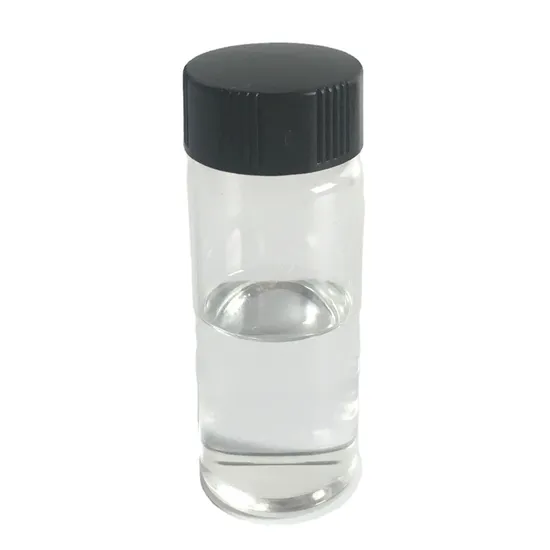
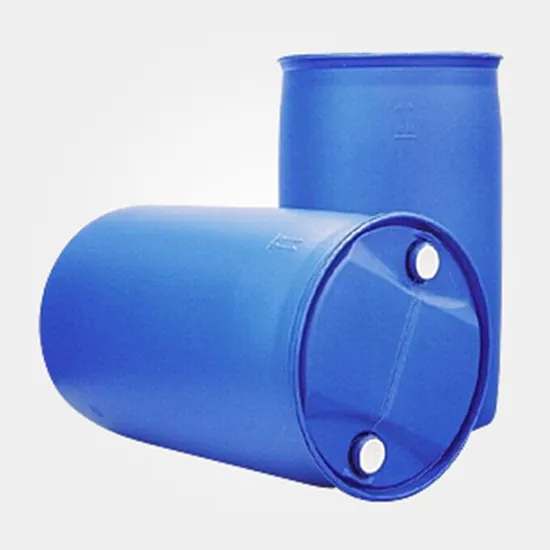
| Transport Package | 1kg Bag, 25kg Drum |
| Specification | provide tailored package on request |
| Trademark | ChemiCal |
| Origin | China |
| Production Capacity | 50000pieces/Year |
Overcoming Industrial Challenges with Tributyl Phosphate (126-73-8) Technical Grade
Industrial and research professionals often face critical hurdles with chemical materials—unstable purity causing unexpected副反应, inconsistent batch quality undermining实验 reproducibility, and unreliable supply chains delaying production timelines. After a decade of serving over 10,000 industrial clients across 50+ countries, we understand how these issues directly impact operational efficiency and project outcomes.
A Stable and Reliable Tributyl Phosphate Supply Solution
Our Tributyl Phosphate (126-73-8) Technical Grade addresses these core challenges through rigorous manufacturing controls and a supply chain built for industrial consistency. As an innovative supplier with advanced laboratories and industry-university-research partnerships, we ensure each batch meets strict technical standards, supporting both large-scale industrial production and precision laboratory applications.
Typical Industrial Applications
This Technical Grade Tributyl Phosphate serves as a versatile industrial plasticizer and flame retardant, finding applications in polymer processing, chemical synthesis, and material science research. Its properties make it suitable for use in industrial formulations where flame resistance and plasticizing efficiency are critical, strictly within manufacturing and laboratory contexts.
Why Key Specifications Matter
The AR grade classification ensures high purity, minimizing impurity interference in sensitive reactions and industrial processes. Standard content levels guarantee consistent performance across batches, reducing variability in production outputs. The availability of tailored packaging options (from 1kg bags to 25kg drums) supports both small-scale research needs and large-volume industrial production, optimizing logistics and storage efficiency. These specifications directly translate to reduced process failures and improved cost-effectiveness in industrial operations.
What You Gain With Our Industrial Plasticizer Flame Retardant
Choosing our Tributyl Phosphate means investing in reliability—avoiding the hidden costs of rework, material waste, and production delays caused by substandard chemicals. While we don’t make specific certification claims, our commitment to technical grade standards ensures compatibility with rigorous industrial processes. The stable annual production capacity of 50,000 pieces ensures uninterrupted supply, critical for maintaining consistent manufacturing schedules and research continuity.
Why You Can Trust Us
Our quality assurance process includes comprehensive testing protocols for each batch, with a focus on purity and consistency. Every shipment is accompanied by a Certificate of Analysis detailing key parameters, providing transparent verification of product quality. We stand behind our materials with a straightforward replacement policy for non-conforming products. Our dedicated technical support team offers application guidance, drawing from years of experience in serving diverse industrial and research clients. With a decade of expertise in chemical supply, we prioritize long-term partnerships built on consistent performance.
Certificate of Analysis & Documentation
Each order includes a batch-specific Certificate of Analysis and Material Safety Data Sheet, providing essential information for safe handling and process integration. Detailed testing records for specific batches can be requested using your order reference, ensuring full traceability for quality control and regulatory compliance purposes.
Storage & Handling
- Store in a cool, dry, well-ventilated area, sealed and away from direct sunlight.
- Keep away from incompatible materials, food and feed sources.
- Handle with appropriate personal protective equipment (gloves, goggles, lab coat).
- Follow good industrial hygiene practices. Avoid inhalation and skin contact.
- Refer to MSDS for detailed storage and safety instructions.
How to Place Your Order
Initiate your purchase by submitting an inquiry with your specific requirements, including desired quantity and packaging preferences. We can provide samples for evaluation prior to full order placement, ensuring compatibility with your processes. Once specifications are confirmed, our streamlined ordering system ensures prompt processing and delivery, with all necessary documentation included.
Frequently Asked Questions
Q: What is the recommended shelf life for Tributyl Phosphate (126-73-8) when stored properly?
A: When stored in sealed containers under recommended conditions, the product maintains stability for typical industrial shelf life requirements. Specific storage duration guidance is provided in the MSDS.
Q: Can this product be used directly in food, pharmaceutical, or household applications?
A: No. This product is strictly for industrial and laboratory research use only, not for direct human consumption, therapeutic, or household use.
Q: What documentation is provided with each shipment?
A: Each shipment includes a Certificate of Analysis (COA) for the specific batch and a Material Safety Data Sheet (MSDS).
Q: Do you offer custom packaging or规格 options beyond those listed?
A: Yes, we provide tailored package options on request to meet specific industrial or research needs.
Q: How is the purity of your Tributyl Phosphate verified?
A: Purity is verified through standard analytical testing protocols as part of our quality control process, with results detailed in the batch-specific COA.