For industrial manufacturing and laboratory research purposes only.
Product Specifications
| Parameter | Value |
|---|---|
| Product Name | 1-Octen-3-Ol |
| CAS Number | 3391-86-4 |
| Type | Flavor & Fragrance Intermediates |
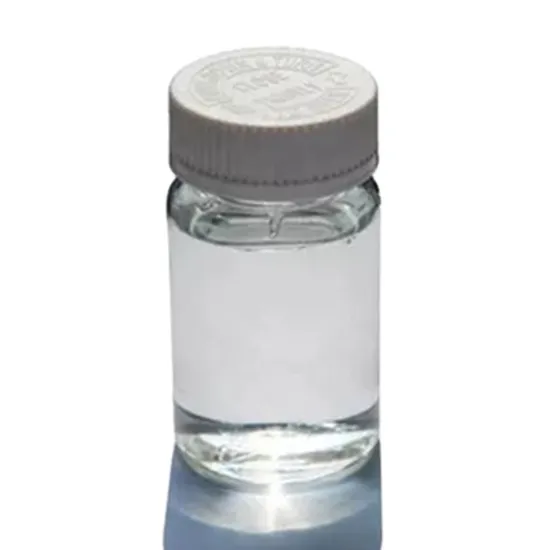
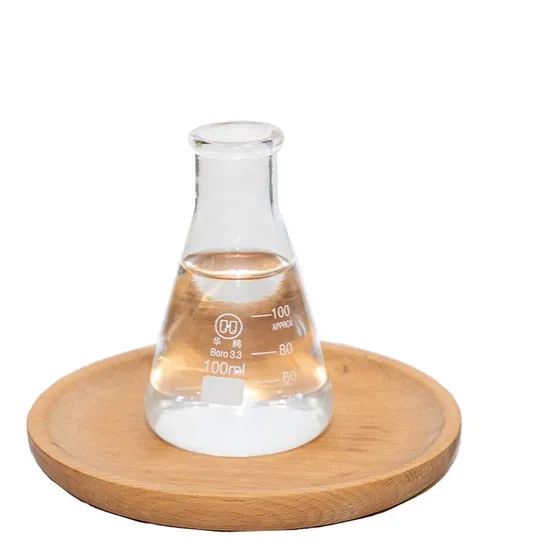
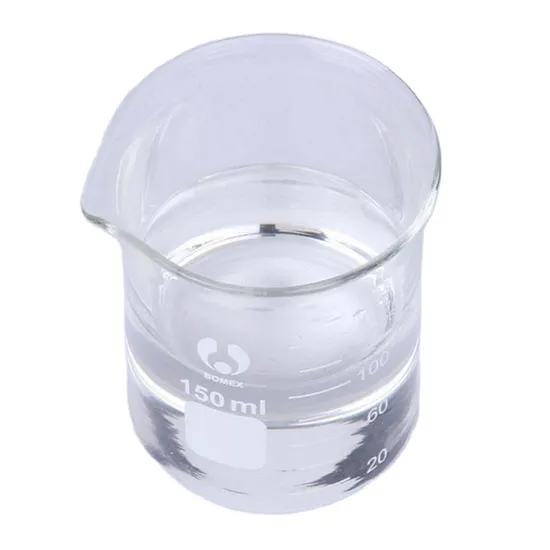
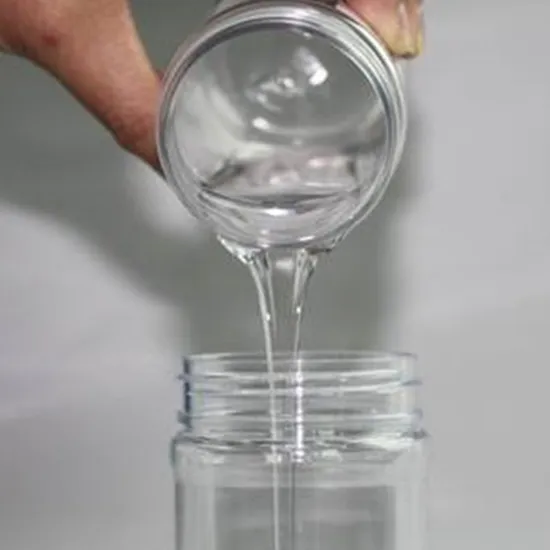
| Appearance | Liquid |
| Quality | Industrial |
| Colour | White |
| Vapour Pressure | 1 Hpa (20 °C) |
| Refractive Index | N20/D 1.437(Lit.) |
| FEMA | 2805 1-Octen-3-Ol |
| Storage Condition | Inert Atmosphere, Room Temperature |
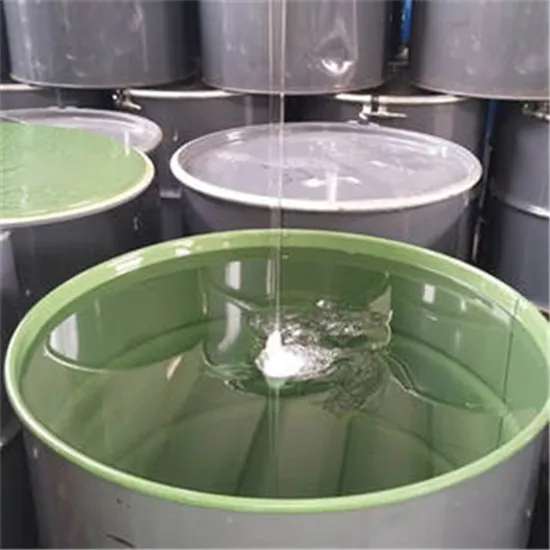
| Transport Package | 30L Barrel or Customizable |
| Specification | provide tailored package on request |
| Origin | China |
1-Octen-3-Ol CAS 3391-86-4: Overcoming Analytical Testing Inconsistencies in Industrial Research
For over a decade in chemical supply, we’ve witnessed how inconsistent 1-Octen-3-Ol quality derails research projects—fluctuating refractive indices causing calibration errors, batch-to-batch color variations masking impurity levels, and unstandardized packaging leading to sample degradation during transit. These issues aren’t just inconvenient; they compromise the integrity of analytical data and delay critical R&D timelines.
A Stable Solution for GC Standard Applications
Our 1-Octen-3-Ol CAS 3391-86-4 GC Standard addresses these challenges through rigorous production control. Backed by a specialized R&D team and advanced laboratory facilities, we ensure each batch maintains the exact refractive index (N20/D 1.437) and vapor pressure (1 Hpa at 20°C) required for reliable analytical testing and quality control protocols. This stability makes it ideal for new material R&D institutions and chemical enterprises pursuing consistent production processes.
Industrial Applications of 1-Octen-3-Ol
As a key flavor and fragrance intermediate, 1-Octen-3-Ol CAS 3391-86-4 serves critical roles in industrial manufacturing—primarily as a reference standard in GC analysis for quality verification of fragrance formulations and chemical synthesis processes. Its defined physical properties enable precise identification and quantification in complex mixtures, supporting quality control in high-end material production where compositional accuracy is paramount.
Why Key Specifications Ensure Reliable Results
The refractive index (N20/D 1.437) acts as a primary identifier, confirming chemical purity and structural integrity—deviations often indicate contamination or isomeric impurities that could skew analytical results. Vapor pressure (1 Hpa at 20°C) ensures consistent volatility during GC testing, preventing retention time variations that compromise peak identification. The white liquid appearance provides a visual quality check, with color changes signaling potential oxidation or degradation. Together, these specifications form a quality triad that guarantees reproducible performance in laboratory and production environments.
The Cost of Compromise vs. the Value of Reliability
Using substandard 1-Octen-3-Ol creates hidden costs: failed experiments, retested batches, and delayed production timelines. Our GC standard eliminates these risks by adhering to strict industrial grade specifications, ensuring your research proceeds without interruption. With customizable packaging options from 30L barrels to specialized lab-scale containers, we optimize material usage and storage efficiency—reducing waste while maintaining product stability under inert atmosphere storage conditions.
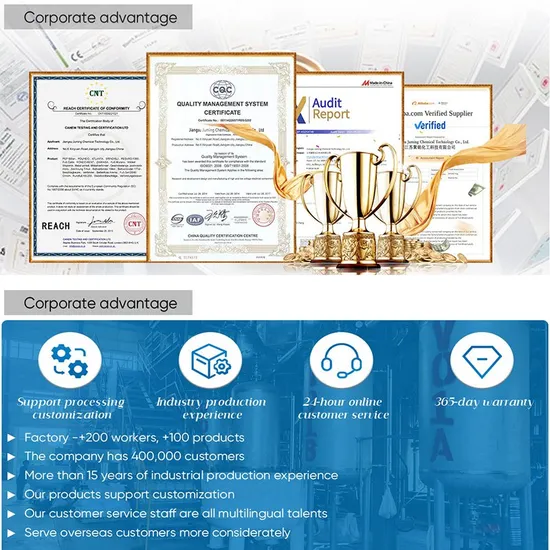
Our quality commitment is measurable: every batch undergoes comprehensive testing before release, with analytical controls verifying all critical parameters. We maintain full production traceability, from raw material sourcing to final packaging, and provide dedicated technical support to address application-specific questions. With a production capacity supporting both small-scale research needs and large-volume manufacturing requirements, we ensure consistent supply even for long-term projects.
Certificate of Analysis & Documentation
Each shipment includes a detailed Certificate of Analysis (COA) with batch-specific testing data, including refractive index, appearance, and vapor pressure measurements. Material Safety Data Sheets (MSDS) are provided for safe handling and storage compliance. For research requiring enhanced documentation, additional analytical reports can be requested to support regulatory submissions or internal quality audits.
Storage & Handling
- Store in a cool, dry, well-ventilated area, sealed and away from direct sunlight.
- Keep away from incompatible materials, food and feed sources.
- Handle with appropriate personal protective equipment (gloves, goggles, lab coat).
- Follow good industrial hygiene practices. Avoid inhalation and skin contact.
- Refer to MSDS for detailed storage and safety instructions.
Streamlined Order Process for Laboratory & Industrial Needs
Initiate your order by specifying required quantity and packaging preferences—we accommodate both standard 30L barrels and custom sizes for specialized applications. Sample evaluation is available for first-time users to verify compatibility with your analytical protocols. Once specifications are confirmed, our production team ensures timely delivery with full documentation, supporting a seamless transition from laboratory testing to full-scale production.
Frequently Asked Questions
Q: What is the recommended storage period for 1-Octen-3-Ol under proper conditions?
A: When stored in an inert atmosphere at room temperature, the product maintains stability for 12 months from the date of manufacture.
Q: Can this product be used for food, pharmaceutical, or household applications?
A: No. This product is supplied exclusively FOR INDUSTRIAL AND LABORATORY RESEARCH USE ONLY, not for direct human consumption, therapeutic, or household use.
Q: What documentation is provided with each shipment?
A: Every order includes a Certificate of Analysis (COA) with batch-specific test results and a Material Safety Data Sheet (MSDS).
Q: Is custom packaging available beyond the standard 30L barrel?
A: Yes, we provide tailored package options on request to accommodate laboratory-scale or specialized storage requirements.
Q: How is product purity verified and ensured?
A: Purity is confirmed through multiple analytical methods, including refractive index measurement (N20/D 1.437) and visual inspection, with results documented in the batch-specific COA.