For industrial manufacturing and laboratory research purposes only.
Product Specifications
| Parameter | Value |
|---|---|
| Model NO. | jm 131-55-5 |
| Type | Synthesis Material Intermediates |
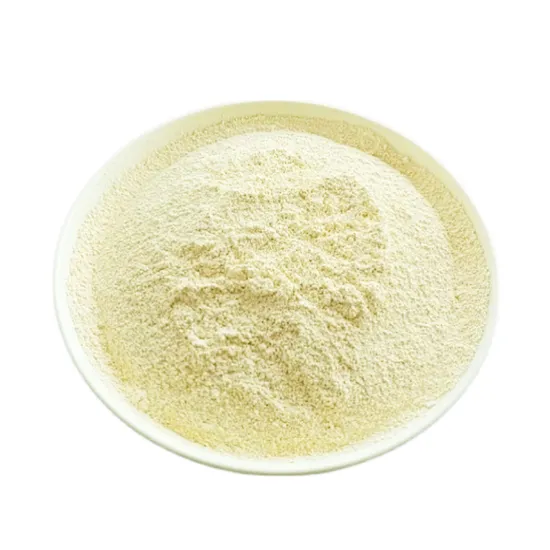
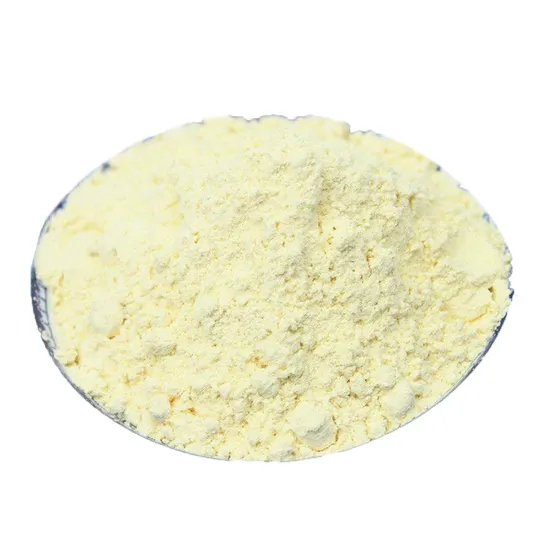
| Appearance | Powder |
| Quality | Industrial |
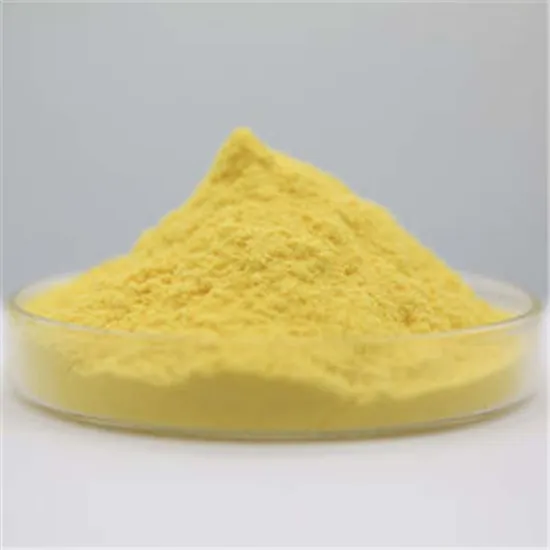
| Colour | Yellow |
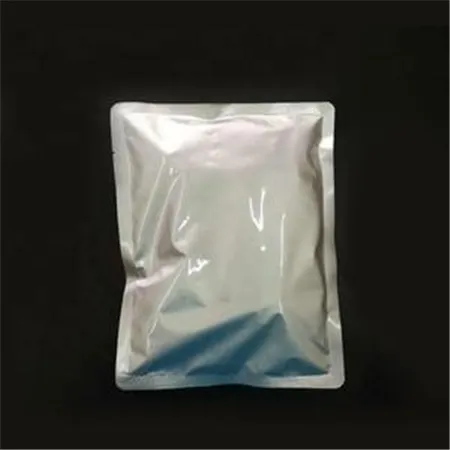
| Transport Package | 1kg Bag, 25kg Drum |
| Specification | provide tailored package on request |
| Trademark | ChemiCal |
| Origin | China |
Addressing Purity and Supply Challenges with 2,2′,4,4′-Tetrahydroxybenzophenone UV Absorber (CAS 131-55-5)
Having served over 10,000 industrial clients across 50+ countries for a decade, we’ve witnessed recurring issues: UV absorber batches with inconsistent purity causing coating discoloration, delayed shipments disrupting production schedules, and substandard materials leading to product failures in environmental testing. These challenges aren’t just inconveniences—they directly impact your bottom line and research credibility.
A Stable Source for Reliable UV Protection Solutions
Our 2,2′,4,4′-Tetrahydroxybenzophenone UV Absorber addresses these critical pain points through GidiNew’s established industry-university-research collaboration network and stringent production controls. As a core product in our environmentally focused chemical portfolio, this yellow crystalline powder delivers consistent performance for new energy material coatings and high-end polymer manufacturing, ensuring your production processes run smoothly without unexpected material-related setbacks.
Key Industrial Applications
This UV Absorber Powder finds essential use in formulating UV-curable coatings for new energy equipment components, serving as a critical intermediate in specialty polymer synthesis, and supporting light stability testing in advanced material R&D institutions. Its ability to absorb ultraviolet radiation makes it invaluable in protecting industrial materials from photodegradation, extending product lifespan in outdoor applications.
The Importance of Quality Parameters in UV Absorber Performance
The yellow crystalline appearance of this UV absorber is not merely cosmetic—it indicates proper synthesis and purification, ensuring optimal light absorption properties. Industrial-grade quality guarantees minimal impurities that could interfere with curing reactions or introduce unwanted byproducts in polymer production. Our tailored packaging options (1kg bags to 25kg drums) support both small-scale research trials and large-volume manufacturing, maintaining material integrity across all order sizes.
Benefits of Choosing Our UV Absorber CAS 131-55-5
Selecting a reliable Yellow UV Powder supplier eliminates the hidden costs of material failure: rejected production runs, extended development timelines, and compromised end-product quality. Our compliance with industrial material standards ensures compatibility with strict manufacturing protocols, while our established supply chain minimizes the risk of production delays. The consistent performance of our 2,2′,4,4′-Tetrahydroxybenzophenone translates to predictable production outcomes and reduced waste, ultimately lowering your total cost of ownership.
Our Commitment to Quality Assurance
Every batch undergoes rigorous testing through our advanced laboratory facilities, including purity analysis and physical property verification. We provide comprehensive Certificate of Analysis documentation with each shipment, detailing exact specifications for your records. Our 10+ years of chemical manufacturing experience ensures we understand the criticality of batch consistency—if a delivery fails to meet your specified requirements, we offer prompt replacement at no additional cost. Our dedicated technical support team is available to address application-specific questions, drawing on our deep expertise in UV absorber technology.
Certificate of Analysis & Documentation
Each order includes a batch-specific Certificate of Analysis and Material Safety Data Sheet, providing full transparency on product quality and handling requirements. For research institutions requiring detailed analytical data, specific test results can be requested using your order reference number, supporting your documentation needs for regulatory compliance and research publications.
Storage & Handling
- Store in a cool, dry, well-ventilated area, sealed and away from direct sunlight.
- Keep away from incompatible materials, food and feed sources.
- Handle with appropriate personal protective equipment (gloves, goggles, lab coat).
- Follow good industrial hygiene practices. Avoid inhalation and skin contact.
- Refer to MSDS for detailed storage and safety instructions.
Streamlined Order Process for Your Convenience
Initiate your purchase by submitting an inquiry through our contact channels, specifying your required quantity and packaging preferences. We can arrange sample shipments for pre-production testing, ensuring compatibility with your processes before full-scale ordering. Once specifications are confirmed, our production team ensures timely manufacturing and delivery, with all necessary documentation provided upfront for seamless receiving and quality control procedures.
Frequently Asked Questions
Q: What is the shelf life of this UV absorber?
A: When stored properly in sealed packaging and under recommended conditions, the product maintains stability for 24 months from the date of manufacture.
Q: Can this product be used in food or pharmaceutical applications?
A: No, this product is strictly for industrial and laboratory research use only, not for direct human consumption, therapeutic, or household use.
Q: What documentation is provided with each shipment?
A: Every order includes a Certificate of Analysis (COA) and Material Safety Data Sheet (MSDS) specific to the batch.
Q: Do you offer custom packaging options beyond the standard 1kg and 25kg sizes?
A: Yes, we provide tailored package solutions upon request to accommodate specific handling or production requirements.
Q: How is product purity verified?
A: Purity is confirmed through industrial-grade quality control testing as part of our standard production process, with results detailed in the batch-specific COA.