For industrial manufacturing and laboratory research purposes only.
Product Specifications
| Parameter | Value |
|---|---|
| CAS Number | 60-00-4 |
| Type | Synthesis Material Intermediates |
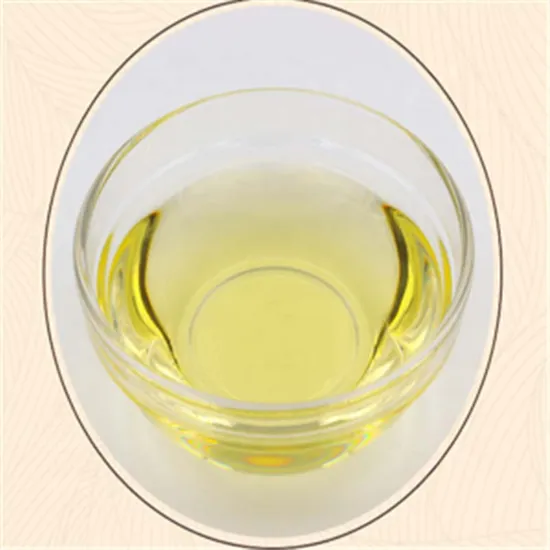
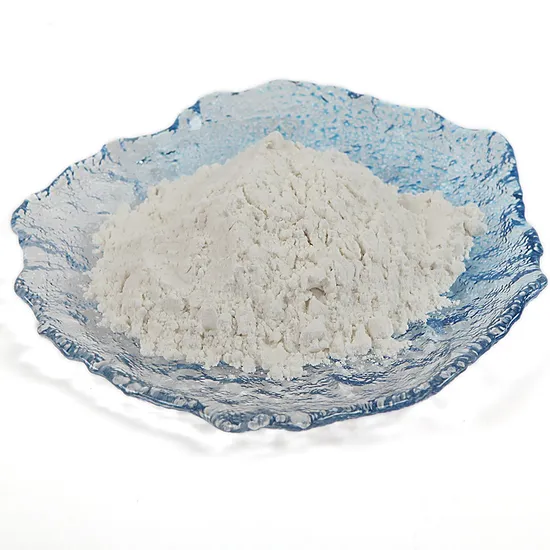
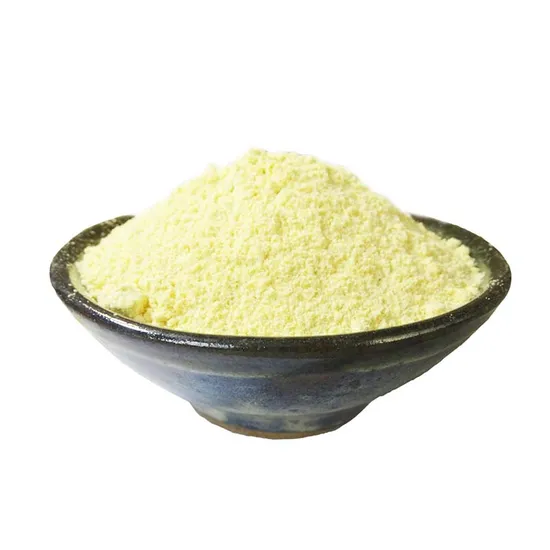
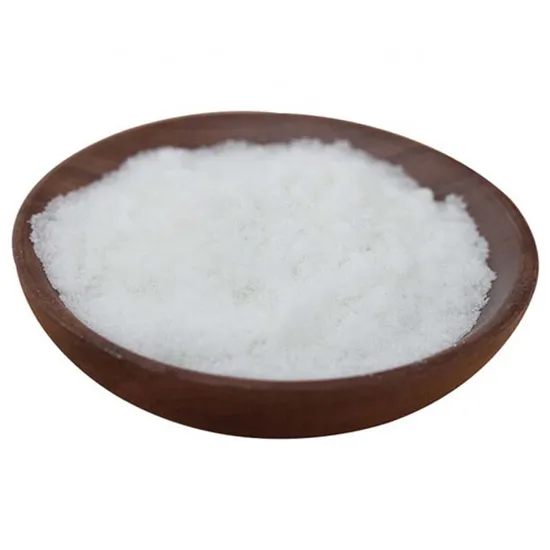
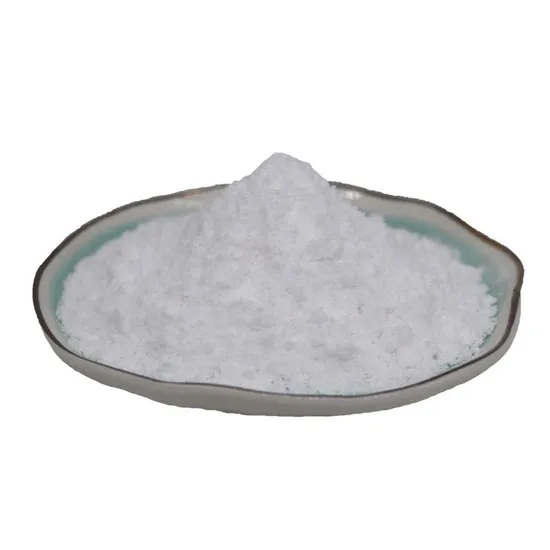
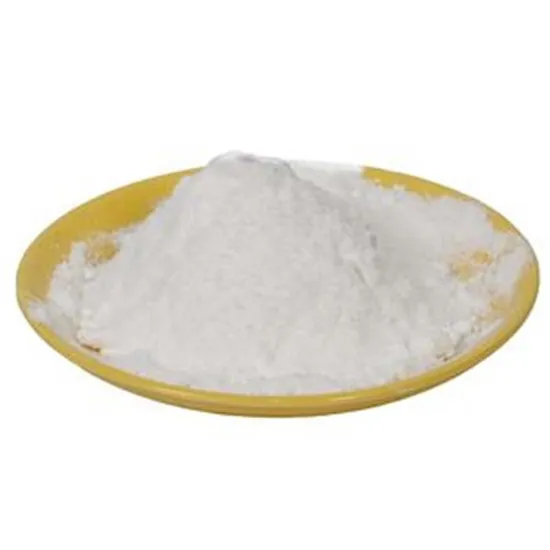
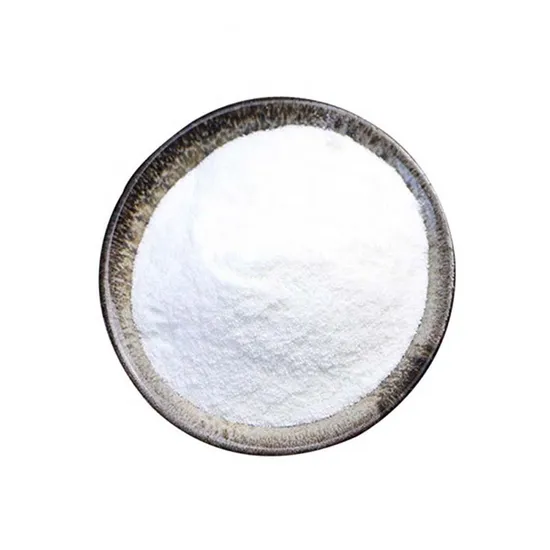
| Appearance | Powder |
| Quality | Industrial |
| Colour | White |
| Transport Package | 1kg Bag, 25kg Drum |
| Specification | provide tailored package on request |
| Origin | China |
Ethylenediaminetetraacetic Acid (EDTA C10h16n2o8) CAS 60-00-4: Overcoming Synthesis Material Challenges
We’ve witnessed countless production delays when synthesis material intermediates fail to meet specifications—impure batches causing unexpected副反应, inconsistent particle sizes disrupting experimental reproducibility, and rigid packaging options increasing material waste. As a supplier with over a decade serving industrial manufacturers and research institutions, these operational hurdles are all too familiar in chemical synthesis workflows.
Stable EDTA Solutions for Industrial and Research Applications
Our Ethylenediaminetetraacetic Acid (EDTA) addresses these critical pain points through rigorous production control and flexible supply options. As a specialized supplier of new chemical materials, we leverage our R&D capabilities to ensure batch-to-batch consistency, supported by industry-university-research collaborations that keep our synthesis processes aligned with the latest material science advancements.
Industrial Applications of EDTA C10h16n2o8
EDTA serves as a versatile synthesis material intermediate across multiple industrial sectors. In new energy battery production, it functions as a chelating agent to control metal ion concentrations during electrode manufacturing. Environmental protection enterprises utilize its sequestering properties for wastewater treatment processes, while high-tech material R&D institutions incorporate it into polymer synthesis and surface modification studies.
The Critical Role of EDTA Specifications in Production
The white powder appearance of our EDTA is more than cosmetic—it indicates proper crystallization and purity levels essential for consistent reactivity. Industrial-grade quality ensures minimal heavy metal impurities that could compromise catalyst performance in pharmaceutical synthesis. Our tailored packaging options (from 1kg research samples to 25kg industrial drums) directly address the logistical challenges of scaling from laboratory development to full production runs, reducing material waste and storage costs.
Quality EDTA: Mitigating Risks, Maximizing Production Efficiency
Choosing substandard EDTA introduces hidden costs: failed quality control checks, production line downtime, and research inconsistencies that extend project timelines. Our commitment to industrial-grade standards delivers quantifiable value—reduced rework rates, predictable reaction outcomes, and compliance with environmental regulations for hazardous material handling. As part of our green chemical solutions portfolio, this EDTA meets the dual carbon goal requirements increasingly demanded by new energy and environmental protection industries.
Our Quality Assurance Process for EDTA Supply
Every EDTA batch undergoes comprehensive testing through our advanced laboratory facilities, including Fourier-transform infrared spectroscopy (FTIR) for structural verification and titration analysis for chelating capacity. We provide batch-specific COA documents with each delivery, detailing key parameters like pH value, water solubility, and impurity profiles. Our production capacity ensures stable supply even for large-scale manufacturing needs, with dedicated technical support available to address application-specific questions.
Certificate of Analysis & Documentation
Each EDTA shipment includes a Certificate of Analysis (COA) specific to that batch, containing test results for all critical parameters. Material Safety Data Sheets (MSDS) are provided in compliance with international standards, including hazard identification, handling precautions, and regulatory information. For research institutions requiring additional documentation, extended testing reports can be arranged prior to order confirmation.
Storage & Handling
- Store in a cool, dry, well-ventilated area, sealed and away from direct sunlight.
- Keep away from incompatible materials, food and feed sources.
- Handle with appropriate personal protective equipment (gloves, goggles, lab coat).
- Follow good industrial hygiene practices. Avoid inhalation and skin contact.
- Refer to MSDS for detailed storage and safety instructions.
Streamlined Order Process for Your EDTA Requirements
Initiate your order by specifying your required packaging size and quantity—we accommodate both small research samples and bulk industrial orders. Our technical team can provide application guidance to ensure the product meets your specific synthesis needs. Upon confirmation, we arrange secure transportation with full documentation, including customs clearance support for international shipments to over 50 countries.
Frequently Asked Questions
Q: What is the shelf life of your EDTA product?
A: When stored properly in sealed containers under recommended conditions, our EDTA maintains stability for 24 months from the manufacturing date, as verified by accelerated aging tests.
Q: Can this EDTA be used in food or pharmaceutical applications?
A: No, this product is supplied exclusively for industrial and laboratory research use only, and is not suitable for direct human consumption, therapeutic, or household applications.
Q: What documentation is provided with each shipment?
A: Every delivery includes a batch-specific Certificate of Analysis (COA) and Material Safety Data Sheet (MSDS) in English, with additional documentation available upon request.
Q: Do you offer custom packaging options beyond the standard sizes?
A: Yes, we provide tailored package solutions to meet specific needs—please contact our sales team with your requirements for pricing and feasibility assessment.
Q: How is the purity of your EDTA verified?
A: Our EDTA purity is confirmed through multiple analytical methods, including titration for chelating activity and HPLC analysis for organic impurities, with results documented in each batch’s COA.