For industrial manufacturing and laboratory research purposes only.
Product Specifications
| Parameter | Value |
|---|---|
| Model NO. | jm 108-45-2 |
| Type | Synthesis Material Intermediates |
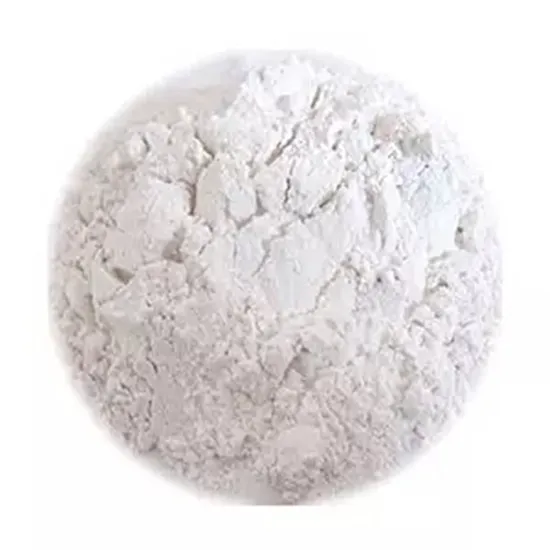
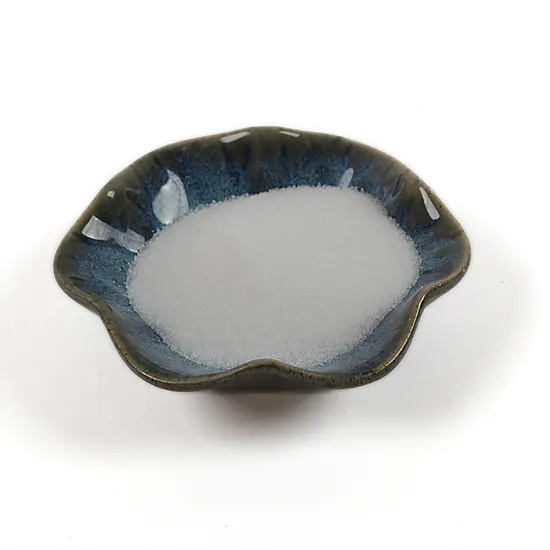
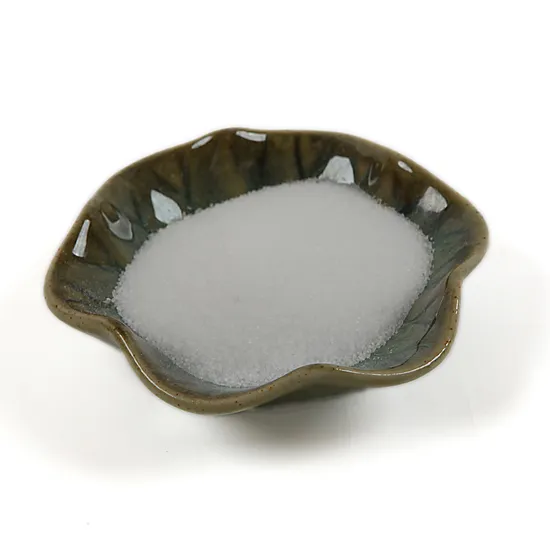
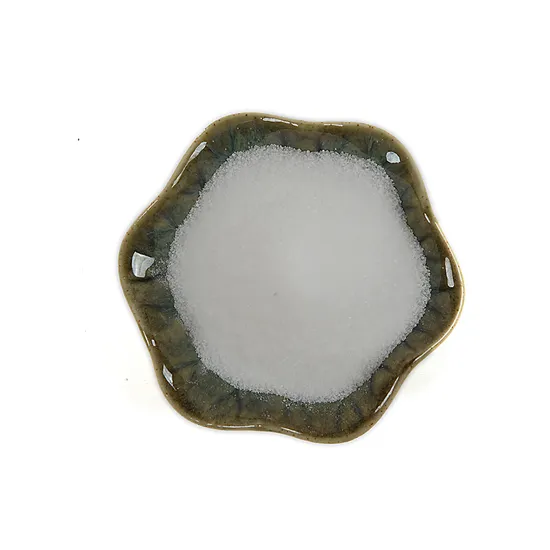
| Appearance | Powder |
| Quality | Industrial |
| Colour | White |
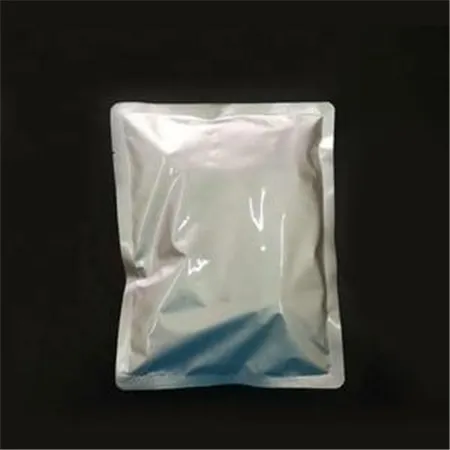
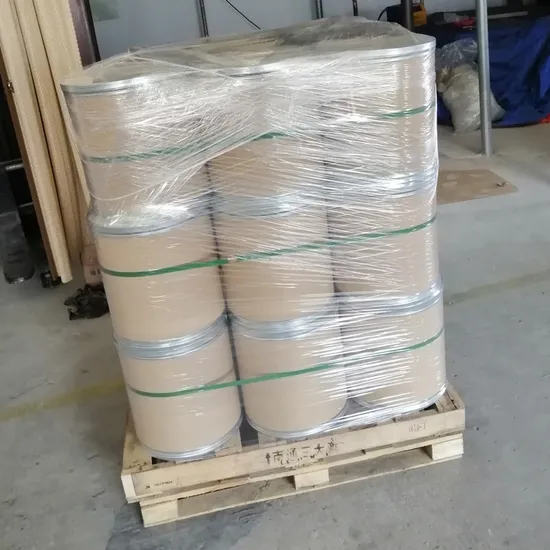
| Transport Package | 1kg Bag, 25kg Drum |
| Specification | provide tailored package on request |
| Trademark | ChemiCal |
| Origin | China |
Overcoming Thermal Instability Issues in Textile Dyeing with M-Phenylenediamine 108-45-2
Textile dyeing processes often face challenges with polymer degradation under high temperatures, leading to uneven color fastness and product quality inconsistencies. Many manufacturers struggle with stabilizers that fail to maintain performance under industrial processing conditions, resulting in increased production costs and material waste. Having supported over 10,000 industrial clients across 50+ countries, we understand how critical reliable material performance is to maintaining production efficiency.
A High Thermal Stability Solution for Textile Dyeing Polymers
Our M-Phenylenediamine 108-45-2 Polymer Stabilizer addresses these challenges with its exceptional thermal stability, ensuring consistent performance even in high-temperature dyeing processes. As an innovative supplier with advanced R&D capabilities and industry-university-research partnerships, we’ve developed a stabilizer that meets the rigorous demands of modern textile manufacturing and new material research institutions.
Industrial Applications of M-Phenylenediamine Stabilizer
This Textile Dyeing Polymer Stabilizer is primarily used in industrial manufacturing processes requiring thermal stability, such as polymer synthesis for textile dyes and specialty chemical production. It serves as a critical intermediate in the development of heat-resistant materials, supporting research institutions and chemical enterprises pursuing green production initiatives. Its application is strictly limited to industrial and laboratory settings, providing essential support for material innovation in the textile sector.
Key Properties That Impact Textile Dyeing Performance
The white powder appearance of our M-Phenylenediamine 108-45-2 ensures easy integration into various dye formulations without introducing color interference. Its industrial-grade quality guarantees consistent performance batch after batch, reducing variability in dyeing results. The thermal stability特性 is particularly crucial, as it prevents polymer breakdown during high-temperature dyeing cycles, maintaining the integrity of the dye structure and ensuring uniform color application. The availability of both 1kg and 25kg packaging options allows for flexible usage, from small-scale laboratory testing to large-scale industrial production.
Benefits of Using Our High Thermal Stability M-Phenylenediamine
Choosing our M-Phenylenediamine Stabilizer for Textile Dyeing delivers tangible benefits, including reduced production waste due to improved process stability and enhanced color fastness in finished textiles. Unlike inferior stabilizers that may introduce impurities or degrade prematurely, our product meets stringent industrial standards, supporting your green production goals. The consistent supply and tailored packaging options further contribute to operational efficiency, helping you manage costs while maintaining product quality.
Our Commitment to Quality and Reliability
With over 10 years of experience in chemical production and supply chain management, we implement rigorous quality control measures at every stage. Our production facilities follow strict manufacturing protocols, and each batch undergoes comprehensive testing to ensure compliance with specifications. We provide detailed documentation with every shipment, and our technical support team is available to address any application questions. Our track record of serving diverse industrial clients worldwide demonstrates our ability to deliver reliable materials consistently.
Certificate of Analysis & Documentation
Every shipment of our M-Phenylenediamine 108-45-2 Polymer Stabilizer includes a Certificate of Analysis (COA) specific to that batch, detailing key quality parameters. Material Safety Data Sheets (MSDS) are also provided to ensure proper handling and storage. For research institutions requiring additional technical information, specific batch test data can be requested to support your documentation needs.
Storage & Handling
- Store in a cool, dry, well-ventilated area, sealed and away from direct sunlight.
- Keep away from incompatible materials, food and feed sources.
- Handle with appropriate personal protective equipment (gloves, goggles, lab coat).
- Follow good industrial hygiene practices. Avoid inhalation and skin contact.
- Refer to MSDS for detailed storage and safety instructions.
Simple Ordering Process for Your Convenience
To place an order for M-Phenylenediamine 108-45-2, simply contact our sales team with your specific requirements, including quantity and packaging preferences. We can provide samples for evaluation testing to ensure compatibility with your processes. Once specifications are confirmed, we’ll arrange production and delivery according to your timeline, with all necessary documentation included.
Frequently Asked Questions
Q: What is the shelf life of this product?
A: When stored properly in sealed containers under recommended conditions, the product maintains its specifications for 12 months from the date of manufacture.
Q: Can this product be used in food or pharmaceutical applications?
A: No, this product is for industrial and laboratory research use only. It is not intended for direct human consumption, therapeutic or household use.
Q: What documentation is provided with each shipment?
A: Each shipment includes a Certificate of Analysis (COA) for the specific batch and a Material Safety Data Sheet (MSDS).
Q: Do you offer custom packaging options?
A: Yes, we can provide tailored packaging on request to meet your specific requirements.
Q: How is the product’s quality ensured?
A: Our industrial-grade products undergo rigorous quality control testing during production, and each batch is analyzed to ensure compliance with specifications before shipment.