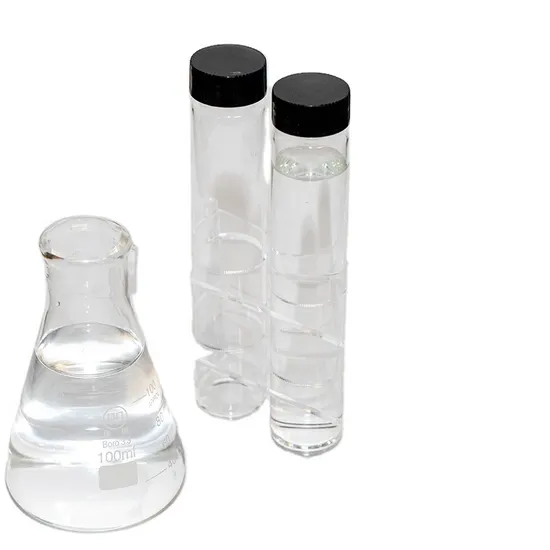

For industrial manufacturing and laboratory research purposes only.
Product Specifications
| Parameter | Value |
|---|---|
| Product Name | Ethyl (2,4,6-trimethylbenzoyl) Phenylphosphinate |
| CAS Number | 84434-11-7 |
| Type | Synthesis Material Intermediates |
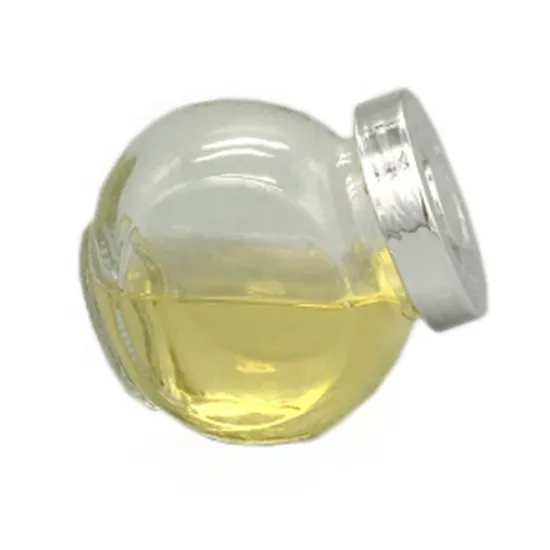
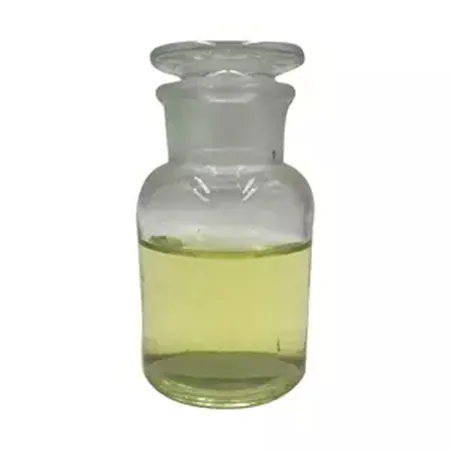
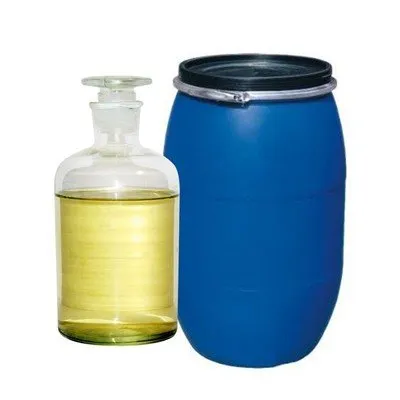
| Appearance | Liquid |
| Quality | Industrial |
| Colour | Yellow |
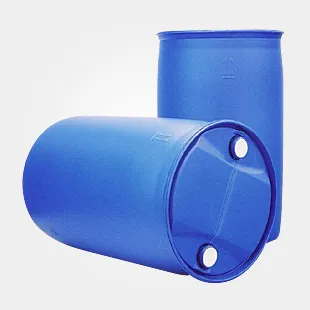
| Transport Package | 1kg Bag, 25kg Drum |
| Specification | provide tailored package on request |
| Trademark | ChemiCal |
| Origin | China |
Overcoming UV Curing Coating Challenges with Photoinitiator Tpo-L (CAS 84434-11-7)
Industrial manufacturers and research labs working with UV curing coatings often face critical issues: inconsistent curing efficiency due to photoinitiator quality variations, batch-to-batch performance differences that disrupt production stability, and supply chain delays that halt manufacturing timelines. In our 10+ years serving the chemical industry, we’ve seen how these challenges directly impact product quality and operational costs for coating applications.
A Reliable Solution for UV Curing Coating Formulations
Photoinitiator Tpo-L (CAS 84434-11-7) addresses these pain points through its stable chemical structure and consistent performance. As a key component in UV curing coatings, it ensures reliable radical generation under UV exposure, minimizing curing time variations between production runs. Our production process, backed by industry-university-research collaborations, delivers consistent material quality suitable for both large-scale industrial coating production and precision laboratory research.
Key Applications in UV Curing Coatings
Ethyl (2,4,6-trimethylbenzoyl) Phenylphosphinate is widely utilized as a UV curing photoinitiator in industrial coating formulations, including wood coatings, metal finishes, and plastic surface treatments. Its efficiency in initiating polymerization reactions under UV light makes it valuable for manufacturers seeking fast-curing, high-performance coating solutions. The material is strictly intended for industrial and laboratory use in controlled manufacturing environments.
Critical Specifications for Coating Performance
The liquid form of this photoinitiator ensures easy integration into coating formulations, promoting uniform distribution and consistent curing across coated surfaces. Its yellow coloration allows for visual verification of proper dispersion during mixing, a critical quality control step in coating production. The industrial-grade quality meets rigorous manufacturing standards, reducing the risk of impurities that could compromise coating adhesion or durability. Our tailored packaging options further support efficient handling and storage, minimizing material waste in production processes.
Benefits of Quality-Assured Photoinitiator Supply
Using high-quality Tpo-L photoinitiator directly translates to enhanced production efficiency—fewer coating defects reduce rework costs, while consistent curing performance shortens production cycles. In contrast, inferior photoinitiators may lead to incomplete curing, resulting in coating failures and increased scrap rates. Our commitment to quality control ensures compliance with industrial material standards, supporting your product quality claims and regulatory compliance efforts.
Our Quality Commitment: From Production to Delivery
Every batch of Photoinitiator Tpo-L undergoes comprehensive testing, including HPLC purity analysis and stability testing, to ensure it meets specified parameters. We provide a Certificate of Analysis (COA) with each shipment, detailing batch-specific test results. Our production facility maintains consistent output capacity, ensuring reliable supply even for large-volume orders. Should any product fail to meet the specified requirements, we offer a straightforward replacement process to minimize disruption to your operations.
Certificate of Analysis & Documentation
Each shipment includes a batch-specific Certificate of Analysis and Material Safety Data Sheet (MSDS). Detailed检测数据 for specific batches can be requested using your order number, and complete analytical reports are available upon request to support your quality control and regulatory documentation needs.
Storage & Handling
- Store in a cool, dry, well-ventilated area, sealed and away from direct sunlight.
- Keep away from incompatible materials, food and feed sources.
- Handle with appropriate personal protective equipment (gloves, goggles, lab coat).
- Follow good industrial hygiene practices. Avoid inhalation and skin contact.
- Refer to MSDS for detailed storage and safety instructions.
How to Order Photoinitiator Tpo-L
Initiate your order by submitting an inquiry with your specific quantity and packaging requirements. We can provide samples for testing and evaluation before full-scale production. Once specifications are confirmed, we process your order with clear delivery timelines, ensuring on-time arrival to support your production schedule. All shipments include the necessary documentation for customs clearance and quality verification.
Frequently Asked Questions
Q: What is the shelf life of Photoinitiator Tpo-L when stored properly?
A: When stored in sealed containers under recommended conditions, the product maintains stability for 12 months from the date of manufacture.
Q: Can this product be used in food or pharmaceutical applications?
A: No. This product is for industrial and laboratory research use only, not for direct human consumption, therapeutic, or household use.
Q: What documentation is provided with each shipment?
A: Each shipment includes a Certificate of Analysis (COA) and Material Safety Data Sheet (MSDS).
Q: Do you offer custom packaging options?
A: Yes, we provide tailored package options on request to meet specific handling or production needs.
Q: How is product purity verified?
A: Purity is verified through HPLC analysis, with results detailed in the batch-specific COA provided with each shipment.