
For industrial manufacturing and laboratory research purposes only.
Product Specifications
| Parameter | Value |
|---|---|
| Product Name | Vinyltrimethoxysilane |
| CAS Number | 2768-02-7 |
| Model NO. | 2768-02-7 |
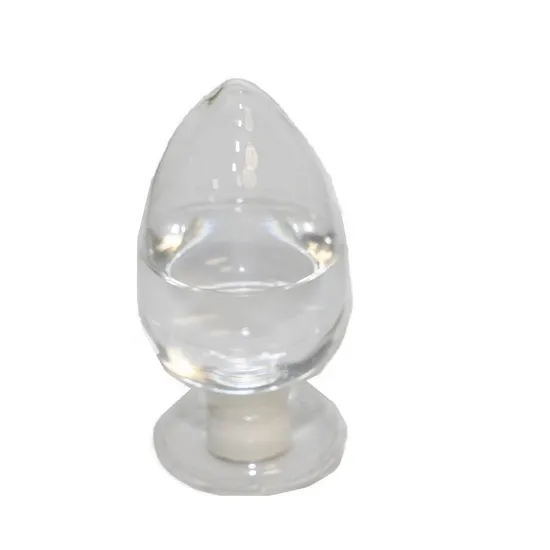
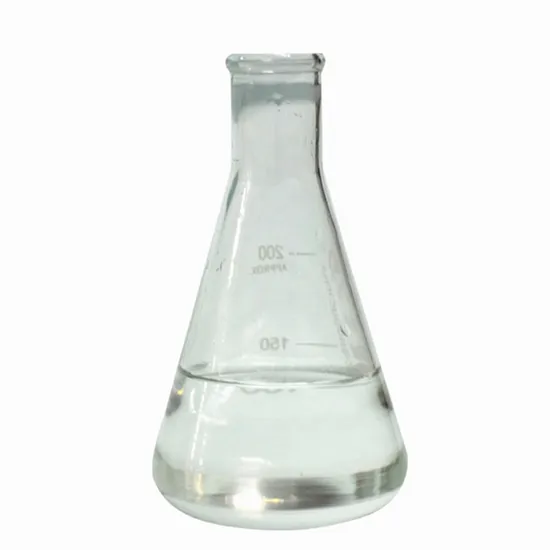
| Appearance | Liquid |
| Color | White |
| Usage | Oil Drilling Auxiliary Agent, Rubber Auxiliary Agents |
| Water Solubility | Slightly Soluble |
| Storage Condition | Store Below +30°C |
| Packaging | Customizable |
| Transport Package | 200kg Drum, 25kg Containers |
| Trademark | ChemiCal |
| Origin | China |
Vinyltrimethoxysilane CAS 2768-02-7: Overcoming Rubber-to-Metal Adhesion Challenges in Tire Manufacturing
For over a decade in the chemical supply industry, we’ve witnessed tire manufacturers struggle with inconsistent rubber-to-metal bonding—batch variations causing adhesion failures, poor heat resistance leading to premature tire degradation, and supply delays disrupting production schedules. These issues aren’t just costly; they compromise the safety and performance of critical automotive components.
A Proven Solution for Reliable Rubber Adhesion
Our Vinyltrimethoxysilane (CAS 2768-02-7) addresses these core challenges by enhancing the interfacial bond between rubber compounds and metal substrates in tire manufacturing. As a specialized silane adhesion agent for rubber, it creates stable chemical bridges that withstand dynamic stress, temperature fluctuations, and harsh operating conditions. With production capacity supporting 10000+ industrial clients across 50+ countries, we ensure consistent supply and technical support tailored to tire manufacturing workflows.
Key Applications in Tire Manufacturing
This silane for tires plays a pivotal role in tire cord adhesion, bead bonding, and rubber-metal component assembly. By improving the compatibility between rubber elastomers and metal reinforcements, it enhances tire structural integrity, reduces rolling resistance, and extends service life. Its versatility also makes it suitable for other rubber auxiliary applications requiring strong substrate adhesion, strictly within industrial manufacturing contexts.
Critical Specifications for Tire Production Success
The liquid appearance of our Vinyltrimethoxysilane ensures easy integration into rubber mixing processes, eliminating the need for pre-dispersion steps that introduce variability. Its controlled water solubility (slightly soluble) prevents premature hydrolysis during storage, maintaining reactivity until curing. The strict storage requirement (below +30°C) ensures chemical stability, while customizable packaging options (200kg drums, 25kg containers) minimize material waste and fit seamlessly into different production scales. These specifications directly translate to consistent bonding performance and reduced production downtime.
Benefits of Quality-Assured Silane Adhesion Agents
Using our Vinyltrimethoxysilane tire application solution reduces reject rates by ensuring batch-to-batch consistency—critical for automotive safety standards. Unlike low-quality alternatives that introduce impurities affecting cure kinetics, our product meets rigorous industrial purity standards, supporting compliance with automotive manufacturing regulations. The long-term supply stability we provide eliminates the hidden costs of production line stoppages, ultimately delivering better value through improved process efficiency and end-product reliability.
Our Commitment to Quality and Reliability
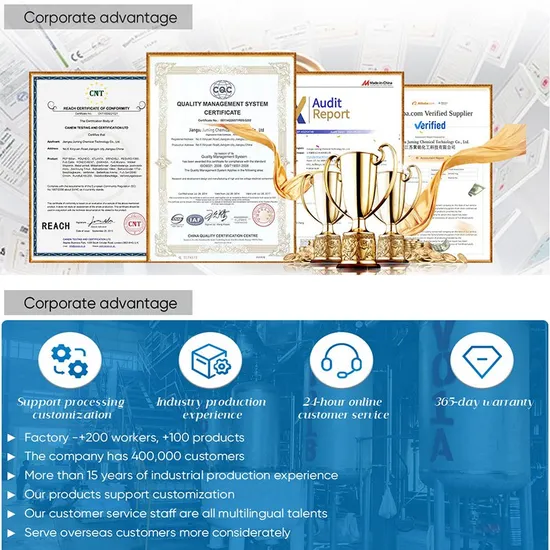
Every batch of Vinyltrimethoxysilane undergoes comprehensive testing, including GC analysis for purity verification and moisture content testing to ensure reactivity. We provide a Certificate of Analysis (COA) with each shipment, detailing key parameters like density, refractive index, and impurity levels. Our ISO 9001-certified production facility maintains strict process controls, and we offer technical support for application optimization—from dosage adjustment to mixing process integration. If specifications don’t match your requirements, we guarantee prompt replacement at no additional cost.
Certificate of Analysis & Documentation
Each delivery includes a batch-specific COA and MSDS, providing detailed safety and handling information. For quality traceability, specific batch test data can be requested using your order number, and additional analytical documentation (including chromatograms) is available upon request for regulatory compliance or internal quality audits.
Storage & Handling
- Store in a cool, dry, well-ventilated area, sealed and away from direct sunlight.
- Keep away from incompatible materials, food and feed sources.
- Handle with appropriate personal protective equipment (gloves, goggles, lab coat).
- Follow good industrial hygiene practices. Avoid inhalation and skin contact.
- Refer to MSDS for detailed storage and safety instructions.
Streamlined Ordering Process for Your Production Needs
Initiate your order by submitting an inquiry through our contact channels, specifying your required quantity and packaging preferences. We can arrange sample delivery for compatibility testing prior to full-scale orders. Once specifications are confirmed, our production team ensures on-time delivery with all necessary documentation, supporting your just-in-time manufacturing schedules without compromising quality assurance.
Frequently Asked Questions
Q: What is the shelf life of Vinyltrimethoxysilane when stored properly?
A: When stored below +30°C in sealed containers, the product maintains stability for 12 months from the date of manufacture.
Q: Can this product be used in food contact or medical applications?
A: No. This product is for industrial and laboratory research use only, not for direct human consumption, therapeutic, or household use.
Q: What documentation is provided with each shipment?
A: Each shipment includes a Certificate of Analysis (COA) and Material Safety Data Sheet (MSDS).
Q: Do you offer custom packaging options beyond the standard 25kg and 200kg containers?
A: Yes, packaging is customizable to meet specific production requirements—please specify your needs during the inquiry process.
Q: How is the product’s purity verified?
A: Purity is verified through gas chromatography (GC) analysis, with results provided in the batch-specific COA.